Fun PuffinFun Puffin

Beakful: A Puffin Game

Field Guide

Who's who off the coast of Newfoundland: your puffin family and friends, everything that's out to get your catch, and what's good to eat. Each one comes with a real fact about the animal or the place.

Characters

The family on the sea stack, and the neighbours you meet in Story mode.

The familyNo. 01

The family

Touton, Figgy Duff and Bakeapple

First met
Every level

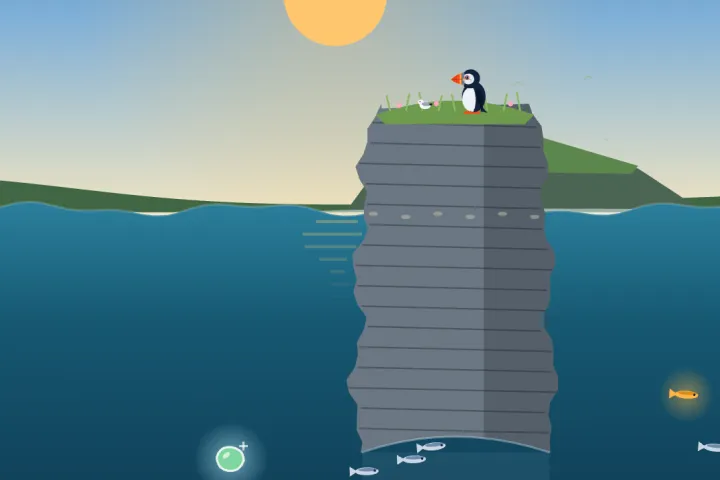
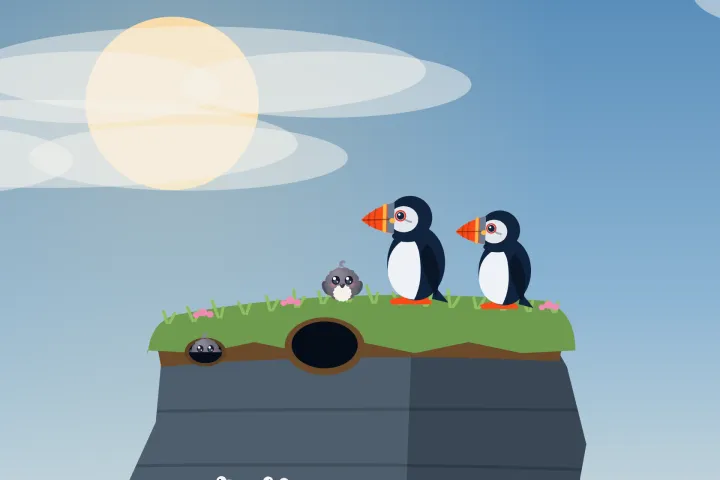
You, your mate and your puffling, at home in a burrow at the top of a sea stack. You're the one who fishes; they wait at the burrow and cheer when you land with a full beak. Give them names and outfits of your own in the Wardrobe, or they go by Touton, Figgy Duff and Bakeapple.

Real fact

Puffin parents share the work: they take turns keeping their single egg warm for about six weeks, then both fly fish home to the puffling.
ToutonNo. 02

Touton

You

First met
Every level

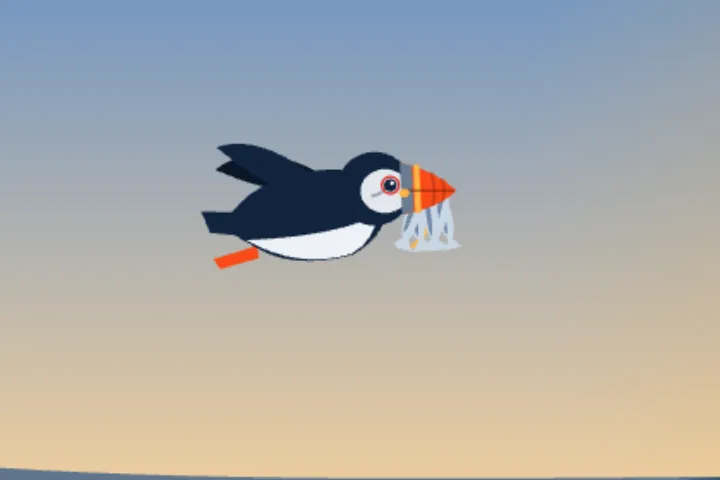
That's you: the one who does the fishing. Hold to dive, let go to rise, and fly home with a beakful before the puffling gets too hungry. Named after the touton, fried bread dough you eat with molasses. Rename yourself in the Wardrobe, and dress up while you're there.

Real fact

A puffin's tongue and the roof of its mouth have backward-pointing spines, so it can hold the fish it already has while it opens its bill for more. Ten or more at a time is normal.
See the poster →
Figgy DuffNo. 03

Figgy Duff

Your mate

First met
Every level

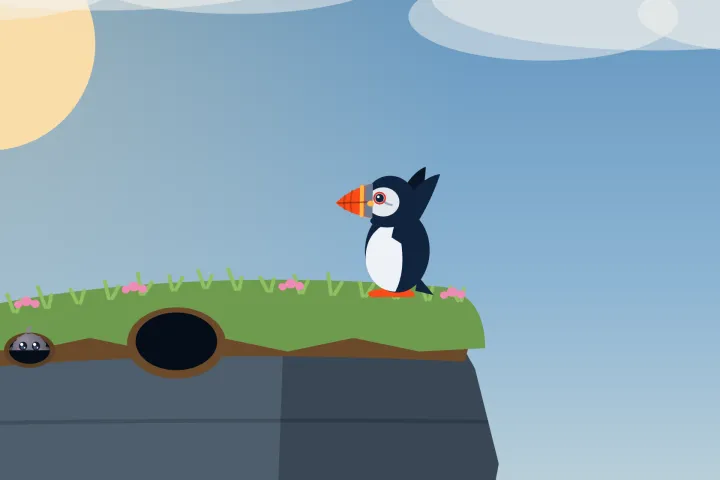
Your mate keeps the burrow and the puffling safe while you're out. Watch for the wave when you fly in with fish, and if Figgy Duff is flapping overhead instead of standing at home, something's wrong down there: there may be a fox. Named after figgy duff, a boiled raisin pudding.

Real fact

Puffin couples greet each other by tapping and rubbing their bills together. It's called billing, and they do it every time they meet at the burrow.
See the poster →
BakeappleNo. 04

Bakeapple

Your puffling

First met
Every level, and Fledging Night (level 20)

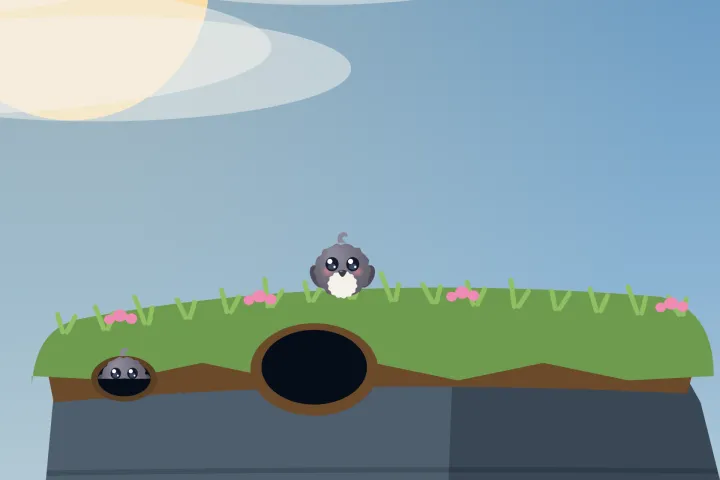
A round, smoky ball of down with big eyes and a very small bill, and always hungry. Named after the bakeapple, Newfoundland's name for the cloudberry. Feed it and it grows, gulp by gulp: some players get theirs past 200 g. On Fledging Night you play as the puffling, on its first flight out to sea.

Real fact

A puffling stays in its burrow for about six weeks. Then, one night, it leaves alone for the sea, and it won't come back to land for two or three years.
See the poster →
Aunt MabelNo. 05

Aunt Mabel

First met
Story mode: Deep Trouble

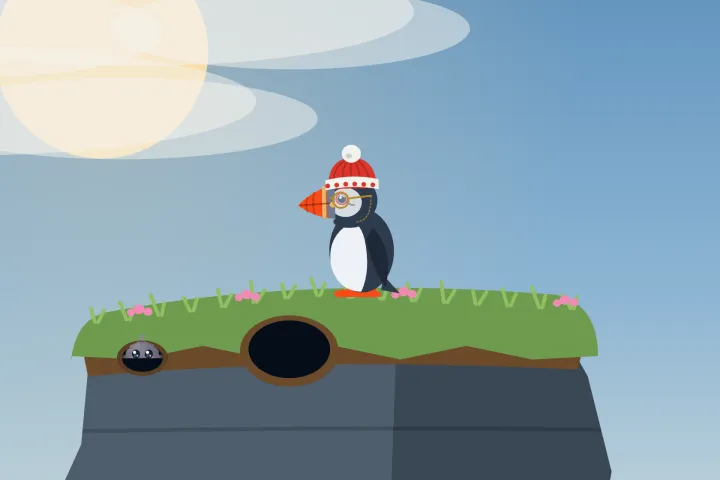
The oldest puffin on the cliffs, in her reading glasses and knitted toque. She knows every old story about the bay, and she's usually right, which nobody likes to admit.

Real fact

Atlantic puffins can live for more than 20 years, and they often come back to the same burrow, with the same mate, year after year.
See the poster →
Constable MurreNo. 06

Constable Murre

First met
Story mode: Deep Trouble

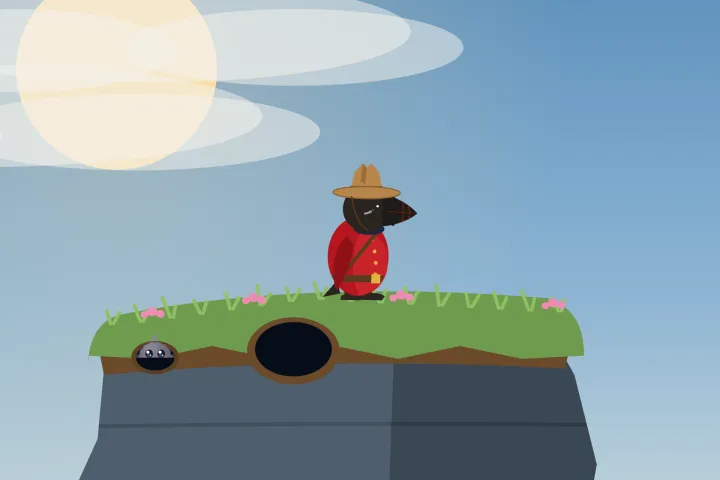
A common murre in a wide-brimmed hat and red tunic, and the law on these cliffs. He believes none of it: it was a cloud, b'y. Or a big eel. He'll file a report.

Real fact

In Newfoundland, murres are called turrs. They can dive about three times deeper than a puffin.
See the poster →
GloriaNo. 07

Gloria

First met
Story mode: Deep Trouble

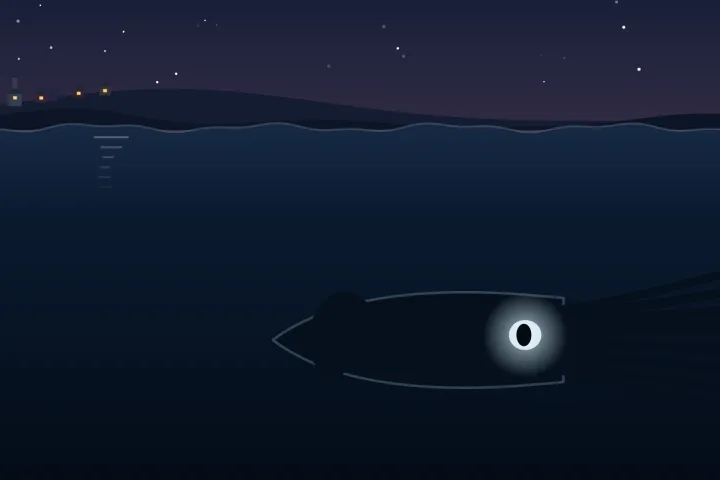
Something huge is under the bay. The capelin flee, ink clouds the water, and a tentacle reached up to the burrow. Nobody knows what she wants...

Finished Deep Trouble? Tap to read more

She was never hunting. A trawler dragged its net through her nest and scattered her eggs, and she's been searching the bay for them ever since. Carry them home and she's just a worried mother, calm at last. She named herself after Glover's Harbour, more or less.

Real fact

In 1878 a giant squid came ashore at Glover's Harbour, in Notre Dame Bay. It's one of the biggest ever found, and a life-size statue of it stands there today.

See the poster →

Foes

Everything that wants your fish, or you. In the order you meet them.

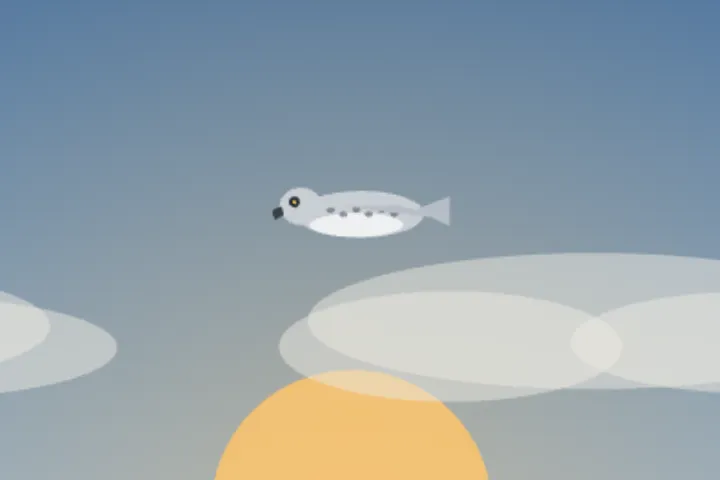
SealNo. 08

Seal

Ends your run
First met
Level 1, Capelin Scull
What it does
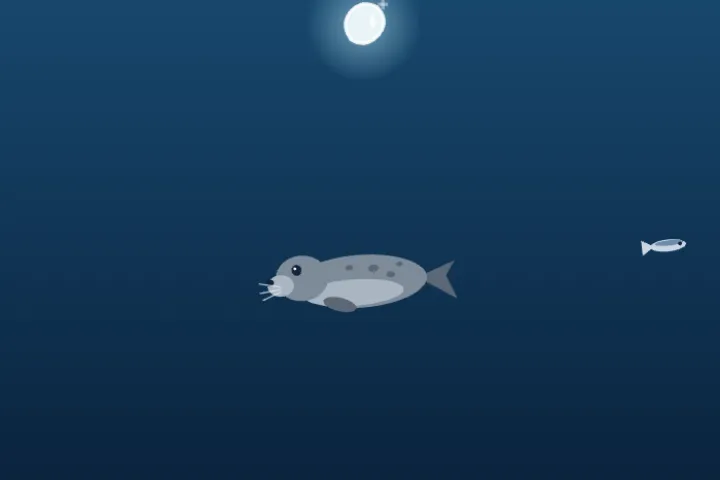
Hunts underwater, sliding in from ahead and turning to chase you. It barks as it comes.
How to get past
Get out of the water. Seals can't follow you into the air, so pop up and fly over it.

Real fact

Harp seals, the most common seals off Newfoundland, eat capelin too: puffins and seals are after the same fish.

Herring gullNo. 09

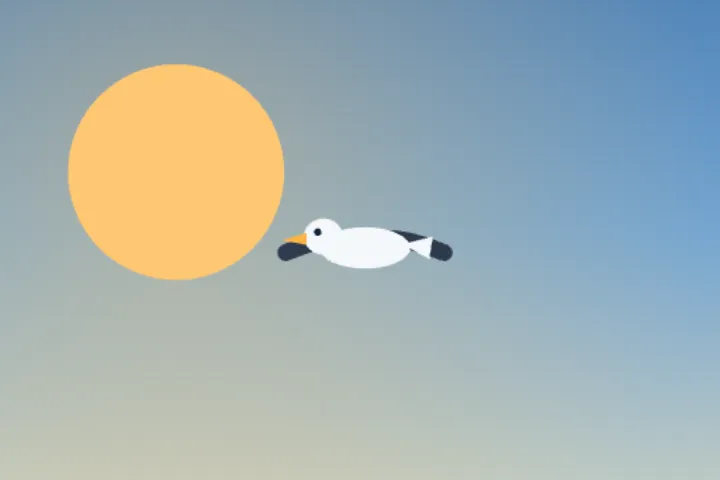
Herring gull

Costs your catch
First met
Level 1, Capelin Scull
What it does
Flies across low over the water. Bump into one and your whole beakful scatters.
How to get past
Watch the sky ahead and go over or under it. A quick dive is the easiest way.

Real fact

Gulls really do steal from puffins: they wait by the colony and mug them as they fly home with fish.

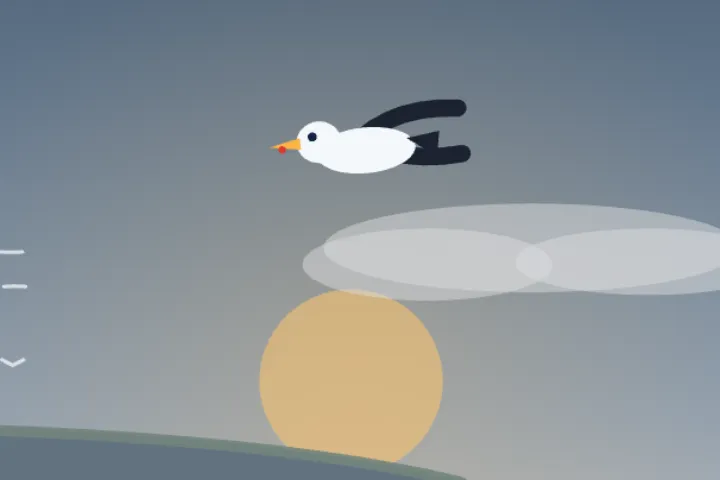
Great black-backed gullNo. 10

Great black-backed gull

Ends your run
First met
Level 2, Gull Island
What it does
Circles high, then stoops at you in a steep, fast dive.
How to get past
Dive. It can't follow you into the water, and it can't turn sharply once it's committed.

Real fact

It's the biggest gull in the world, with wings more than a metre and a half across, and puffins are on its menu.

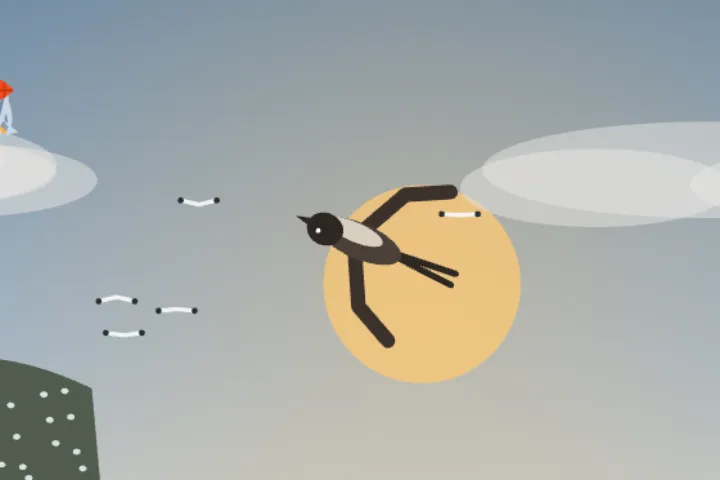
JaegerNo. 11

Jaeger

Costs your catch
First met
Level 4, Cape St. Mary's
What it does
A pirate. It chases you from behind while you carry fish, and steals the lot if it catches you.
How to get past
Keep moving and get your catch to a burrow. Ducking underwater shakes it off.

Real fact

Parasitic jaegers chase other seabirds through the air until they drop their food, then catch it before it hits the water.

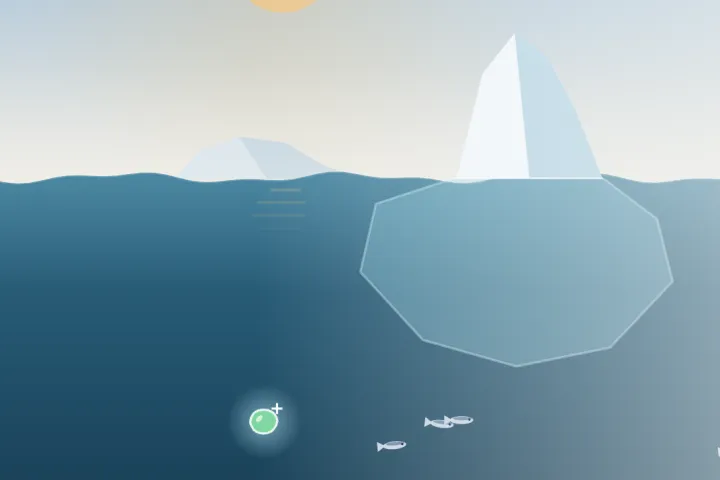
IcebergNo. 12

Iceberg

Costs your catch
First met
Level 5, Iceberg Alley
What it does
Drifts by, mostly hidden underwater. Bump into it and your catch comes loose.
How to get past
Go over the top or well under the bottom. The part you can see is the small part.

Real fact

Most of Iceberg Alley's bergs broke off glaciers in western Greenland. Their ice can be more than 10,000 years old.

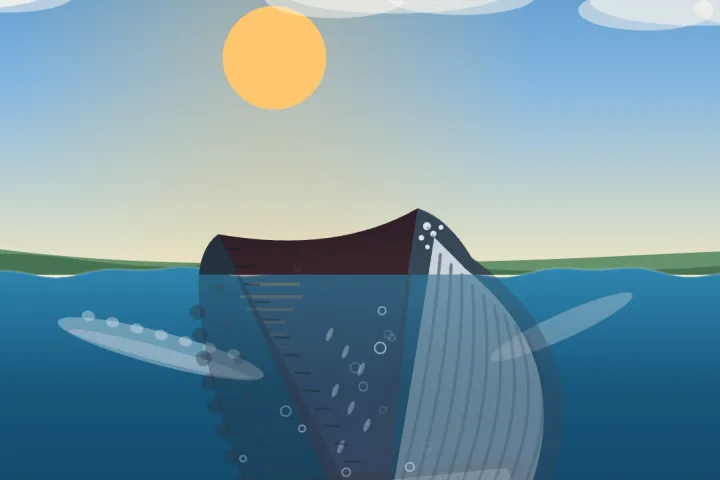
Humpback whaleNo. 13

Humpback whale

Ends your run
First met
Level 6, Trinity Bay
What it does
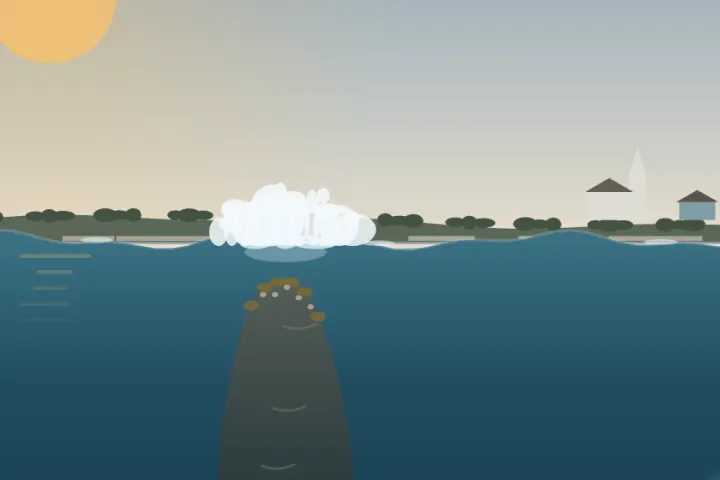
A ring of bubbles rises first, then it lunges up through the middle with its mouth wide open.
How to get past
When you see the bubble ring, dive below the shaded zone or keep well clear of it.

Real fact

Humpbacks come to Newfoundland every summer to feed on capelin. Some blow rings of bubbles to herd the fish together.

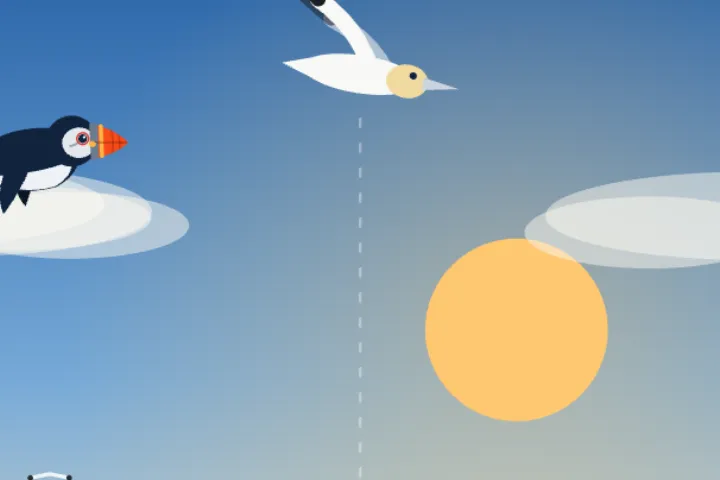
Northern gannetNo. 14

Northern gannet

Costs your catch
First met
Level 7, Funk Island
What it does
Stalks you from above, locks on with a cry and plunges straight down like an arrow.
How to get past
Once it locks on, change your height: pull up, or dive under where it's aiming.

Real fact

Gannets dive from high in the air and hit the water at up to about 100 km/h. Air sacs under their skin cushion the blow.

GyrfalconNo. 15

Gyrfalcon

Ends your run
First met
Level 10, Lost in Labrador
What it does
Labrador's hunter. Like the big gulls, it stoops on you from high up.
How to get past
Dive. Falcons can't swim.

Real fact

The gyrfalcon is the biggest falcon in the world, and it lives all year round in the far north.

Sea iceNo. 16

Sea ice

Gets in the way
First met
Level 10, Lost in Labrador
What it does
Pans of ice float on the surface. You can't come up for air under one, or dive through it from above.
How to get past
Plan your breaths: surface in the open water between the pans.

Real fact

Harp seals have their pups on the sea ice off Labrador. The pups, called whitecoats, are born with fluffy white fur.

BreakersNo. 17

Breakers

Costs your catch
First met
Level 11, Middle Cove
What it does
Waves roll in and break near the beach. Get caught in the white water and you tumble, and your catch with you.
How to get past
Fly high over the breakers, or stay deep under them.

Real fact

Every summer, capelin roll up onto Middle Cove Beach to spawn, and people come down with buckets to watch, or to fill them.

GustsNo. 18

Gusts

Gets in the way
First met
Level 12, Cape Spear
What it does
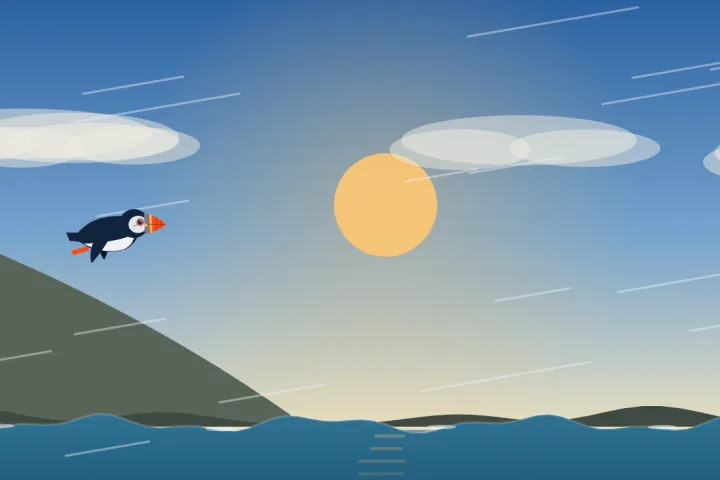
Streaks race across the sky, then a gust shoves you up or down while you're flying.
How to get past
When the streaks show, get ready to push back, or wait it out underwater.

Real fact

Cape Spear is the most easterly point in North America. It's often the first place on the continent to see the sun come up.

Trawl netNo. 19

Trawl net

Ends your run
First met
Level 13, Grand Banks
What it does
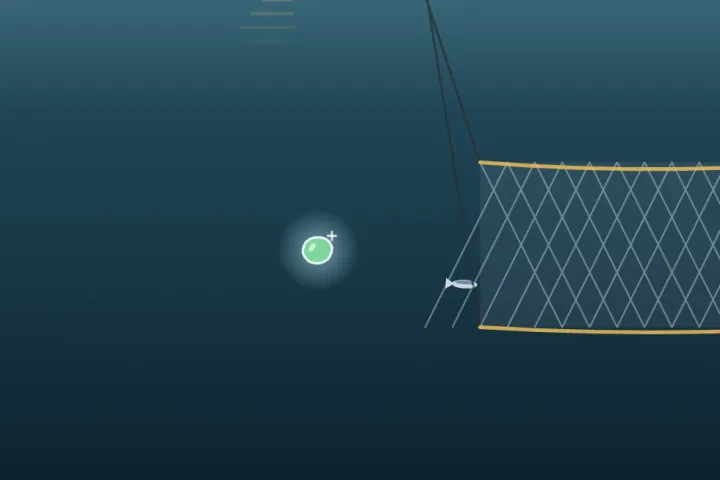
A trawler tows a net through the water at one depth. Swim into it and you're tangled.
How to get past
Go above it or below it. Hold your side as it passes; don't try to cross its line.

Real fact

The Grand Banks were once among the richest fishing grounds on Earth. The northern cod fishery was closed in 1992 after the cod nearly disappeared.

OrcasNo. 20

Orcas

Ends your run
First met
Level 14, Placentia Bay
What it does
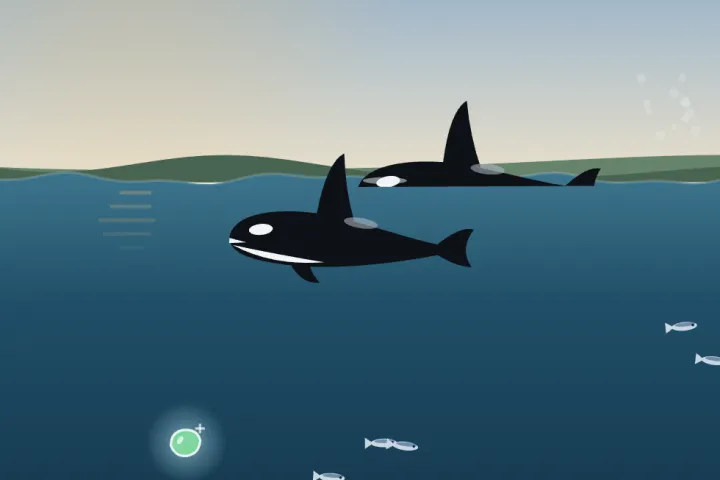
Two fins show at the surface. Then they dive, and charge at whatever depth you were at.
How to get past
When they dive, change your height. Near the surface, go up.

Real fact

Orcas travel in family groups led by the older females, and they're seen off Newfoundland most summers.

Red foxNo. 21

Red fox

Costs your catch
First met
Level 15, Baccalieu Island
What it does
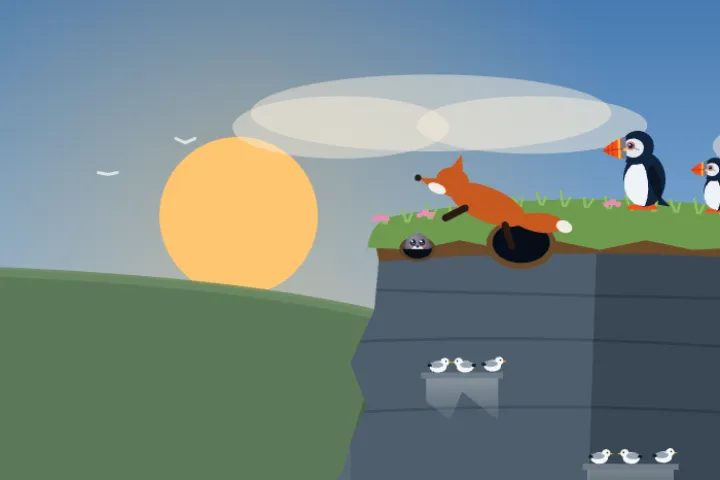
Hides in the grass by some burrows. Land there and it pounces, and your catch is gone.
How to get past
Read the signs: your mate flapping overhead, no puffling peeking out, ears and a tail in the grass. Fly on to the next stack.

Real fact

Baccalieu Island has the world's biggest colony of Leach's storm-petrels, millions of little seabirds nesting in burrows like puffins.

Cod jiggerNo. 22

Cod jigger

Ends your run
First met
Level 16, Petty Harbour
What it does
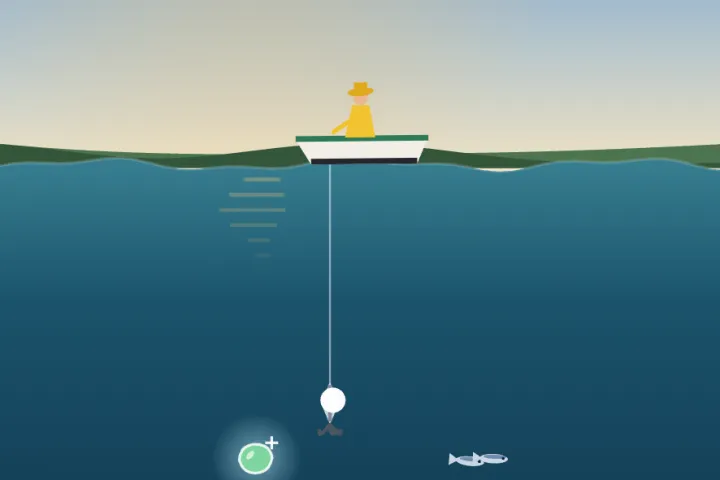
A fishing boat jigs a lead fish with a hook below it: it jerks up fast and sinks slowly.
How to get past
The line is harmless; the jigger and hook aren't. Time it: pass while it's at the top or the bottom of its swing.

Real fact

Jigging is the old Newfoundland way to catch cod: you jerk a shiny lead jigger up and down on a hand line until a cod goes for it.

KelpNo. 23

Kelp

Gets in the way
First met
Level 17, Ferryland
What it does
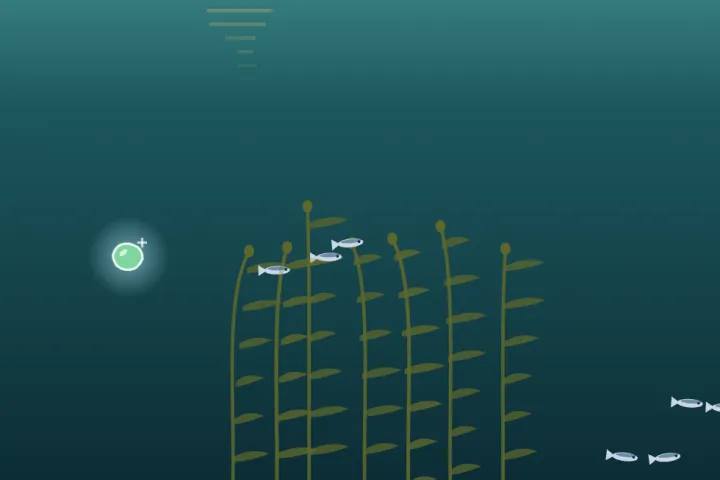
Tall stands of kelp from the seabed. Inside, you're sluggish and use up your air faster.
How to get past
Fish love to hide in it, golden capelin more than most. Go in for them, but come out with air to spare.

Real fact

Kelp forests shelter young fish. Ferryland itself is one of the oldest English settlements in North America, from 1621.

Tour boatNo. 24

Tour boat

Gets in the way
First met
Level 18, Witless Bay
What it does
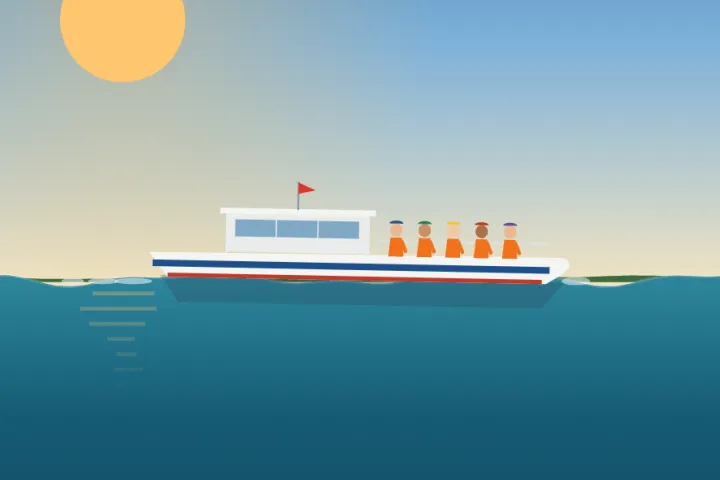
Whale-watching boats cruise along with you. The hull is solid: you can't come up under one, or dive through its roof.
How to get past
Fly over, or swim under and surface after it. The tourists cheer when you feed your puffling.

Real fact

Witless Bay's islands have North America's biggest Atlantic puffin colony, and the boat tours go out to see them.

Greenland sharkNo. 25

Greenland shark

Ends your run
First met
Level 19, Twillingate
What it does
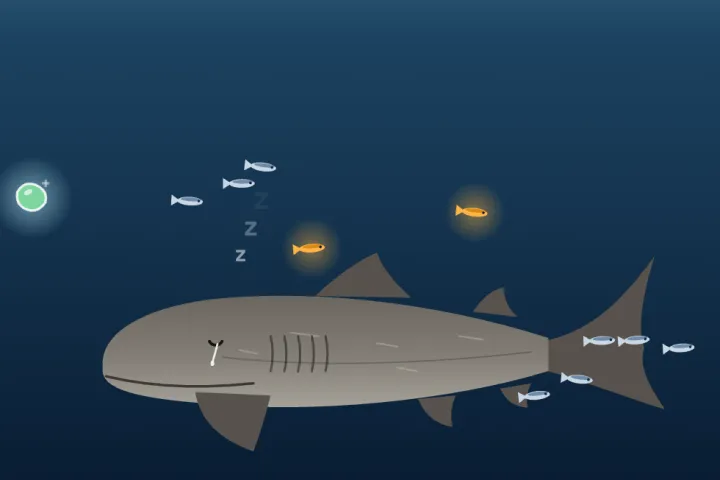
Sleeps near the seabed with golden capelin over its back. Swim in its shaded zone too long and it wakes up and chases you.
How to get past
Grab the gold quickly. If it wakes, get out of the water: it gives up once you're in the air.

Real fact

Greenland sharks may live for 250 years or more, longer than any other animal with a backbone that we know of.

LightsNo. 26

Lights

Ends your run
First met
Level 20, Fledging Night
What it does
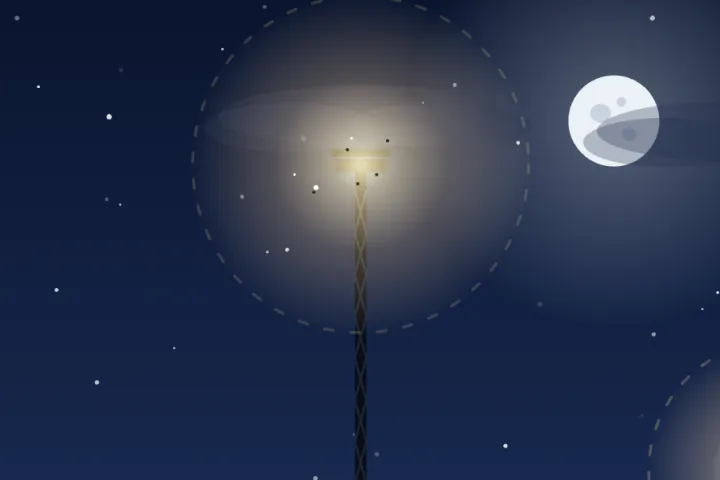
Street lamps and wharf lights tug you toward them and dazzle you. Too dazzled, and you come down in town.
How to get past
Keep out of the glow rings and fly the darkest height. Dip in only to rescue a lost puffling.

Real fact

Real pufflings get confused by town lights on their first flight. Each fall, volunteers on the Puffin Patrol near Witless Bay find them and carry them back to the sea.

Falling iceNo. 27

Falling ice

Ends your run
First met
Level 21, St. Anthony Bight
What it does
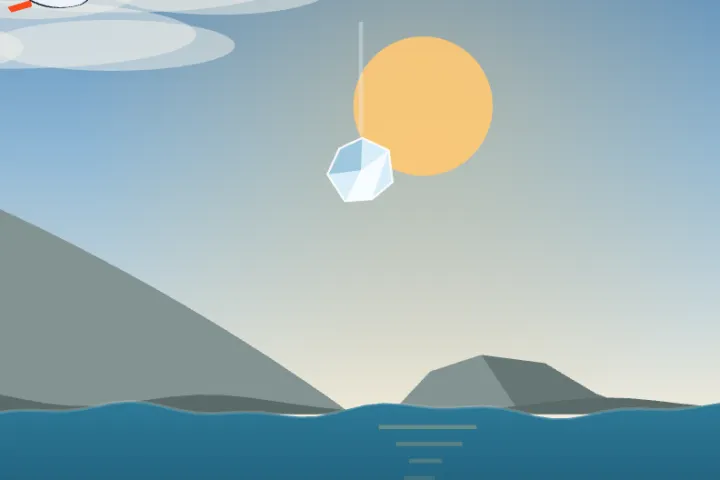
An iceberg calves: a crack, a ring on the water and a pale lane in the sky show where each chunk will fall.
How to get past
Only a falling chunk hurts. Keep out of the lane until it has splashed down.

Real fact

Icebergs break up as they melt. The smaller pieces have their own names: bergy bits, and the smallest, growlers.

Sea archNo. 28

Sea arch

Costs your catch
First met
Level 22, Fischot Islands
What it does
A sea stack with a window worn through it. The rock is solid everywhere else.
How to get past
Go over the top or through the arch. Hit the rock and you're shoved aside and drop your catch.

Real fact

Waves make arches by wearing through a headland from both sides. When the top falls in, the arch becomes a sea stack.

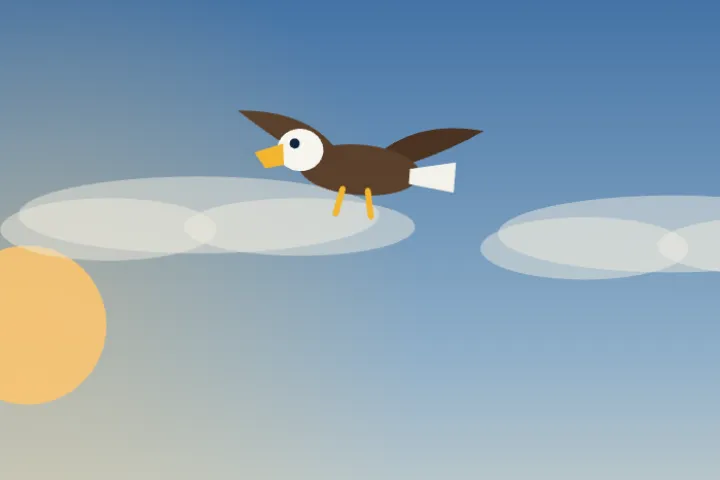
Bald eagleNo. 29

Bald eagle

Ends your run
First met
Level 23, Main Brook
What it does
Circles high and calls, then skims low along the water at your height, snatching.
How to get past
When it calls, get well above or well below the surface. Deep needs air.

Real fact

Bald eagles nest in Newfoundland's forests. They add to the same nest every year, and an old one can weigh as much as a small car.

Labrador CurrentNo. 30

Labrador Current

Gets in the way
First met
Level 24, Conche
What it does
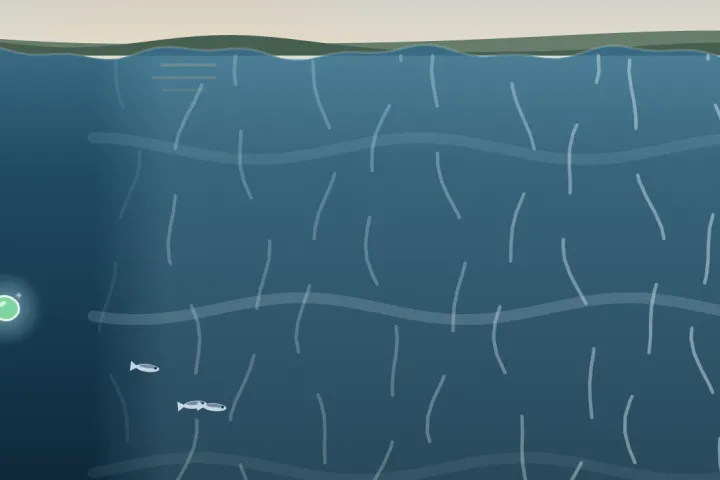
Bands of current run from the surface to the seabed, pushing you up or down. The chevrons show which way.
How to get past
It doesn't hurt you, but it carries you into things. Push against it early.

Real fact

The cold Labrador Current flows south along the coast and carries icebergs from Greenland all the way down to Newfoundland.

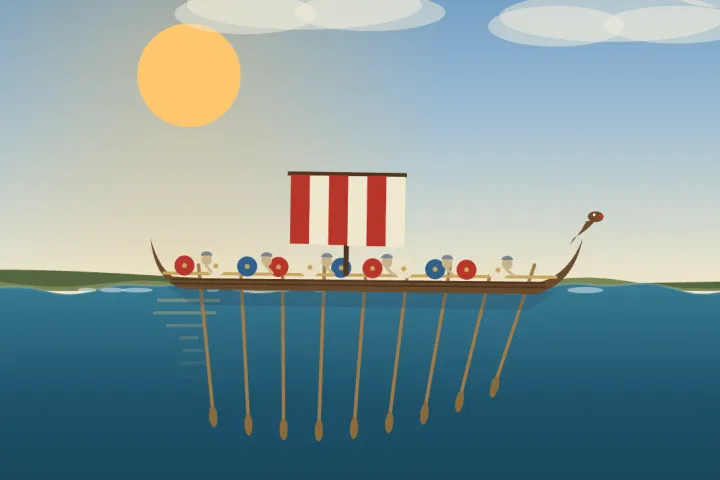
LongshipNo. 31

Longship

Costs your catch
First met
Level 25, L'Anse aux Meadows
What it does
A Norse longship with a solid hull and oars that sweep together on a drumbeat.
How to get past
Swim deep, below the oars, or fly over the top. Listen for the drum.

Real fact

About 1,000 years ago, Norse sailors built a camp at L'Anse aux Meadows, the only Norse site found in North America so far.

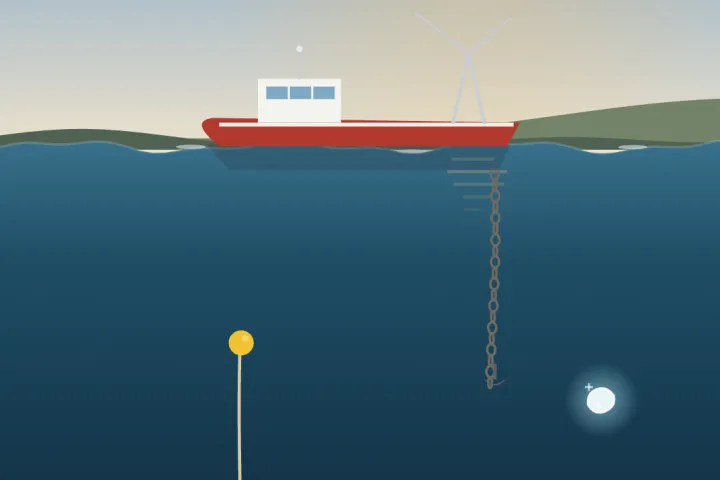
MooringsNo. 32

Moorings

Ends your run
First met
Level 26, Port au Choix
What it does
Shrimp boats at anchor, each with a chain hanging down and a mooring line rising to a float. Buoys are chained to the seabed.
How to get past
Under a boat: go deep under the chain, then up over the float. Over a buoy: the top is the only way.

Real fact

People have lived at Port au Choix for more than 5,000 years. Its burial grounds are a National Historic Site.

SunkersNo. 33

Sunkers

Ends your run
First met
Level 27, Flower's Cove
What it does
Rocks just under the surface. You only see them clearly when the swell breaks white over them.
How to get past
Watch for the break, then stay high while it's foaming. Never swim into the rock.

Real fact

"Sunker" is a Newfoundland word for a rock just under the water. Flower's Cove is also known for thrombolites, rock-like mounds built up by microbes over a very long time.

Container shipNo. 34

Container ship

Ends your run
First met
Level 28, Strait of Belle Isle
What it does
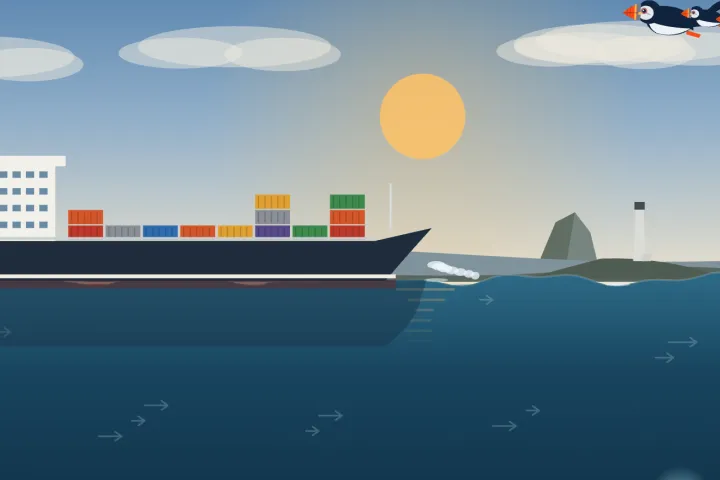
Ships come at you head-on, faster than you'd think. A horn and an amber marker warn you first.
How to get past
Pick early: fly over the top of the whole ship, or dive under the keel. Don't touch it anywhere.

Real fact

The Strait of Belle Isle separates the island of Newfoundland from Labrador. At its narrowest it's under 20 km across.

Rogue wavesNo. 35

Rogue waves

Ends your run
First met
Level 29, Cape Bauld
What it does
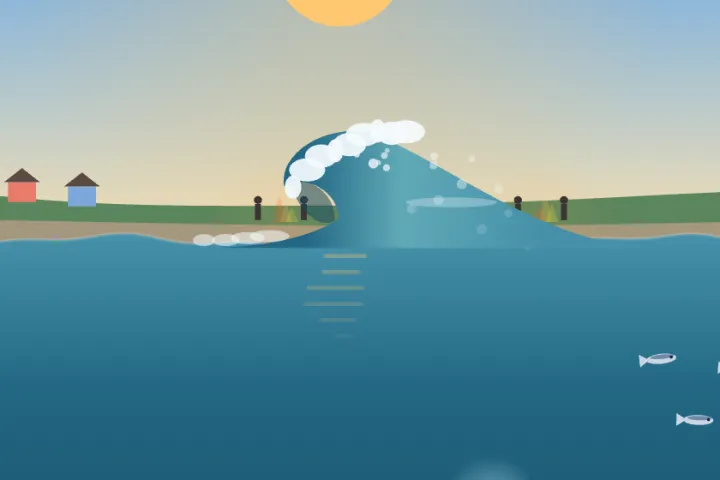
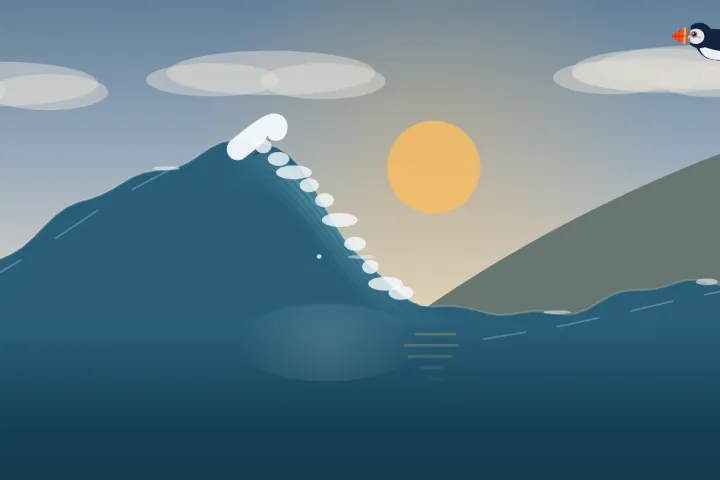
Waves come in sets, each bigger than the last, lifting the whole sea. Where the biggest breaks, the white water is deadly.
How to get past
Get high above the white water, or dive deep under it, before it breaks.

Real fact

A rogue wave is one more than twice as tall as the waves around it. Cape Bauld is the northern tip of the island of Newfoundland.

Food

What a puffin's beak is for. A full beakful scores more for every fish in it.

CapelinNo. 36

Capelin

First met
Everywhere
Filling
One fish, one helping
Points
10 points for each place in your beakful: the more fish, the more each one's worth

Real fact

Little silver capelin are the fish everything else on this coast eats, from puffins and seals to cod and whales.

Golden capelinNo. 37

Golden capelin

First met
Everywhere, now and then
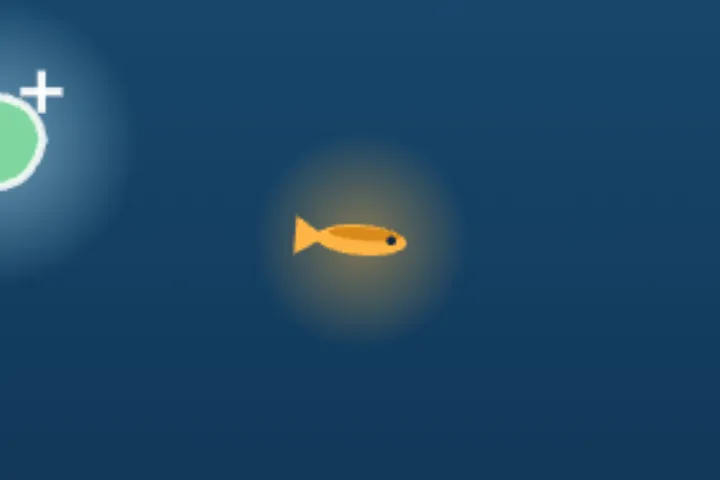
Filling
Twice as filling
Points
Doubles the score for the whole beakful (two golden: triple)

Real fact

There's no such thing as a golden capelin in real life. Every puffin wishes there was.

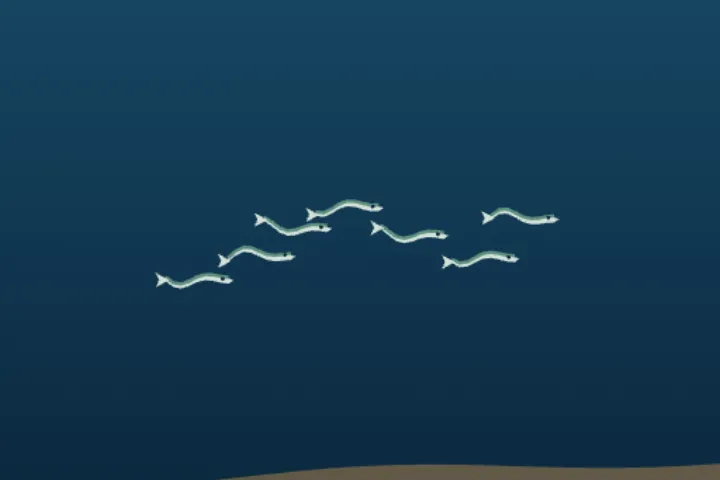
Sand lanceNo. 38

Sand lance

First met
Level 8, Elliston
Filling
Half as filling
Points
Half points

Real fact

Sand lance swim in big schools by the sandy seabed, and dive into the sand to hide. Puffins love them.

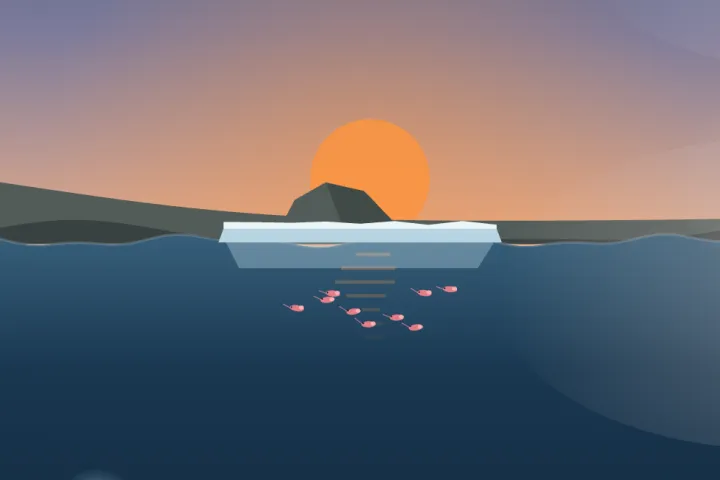
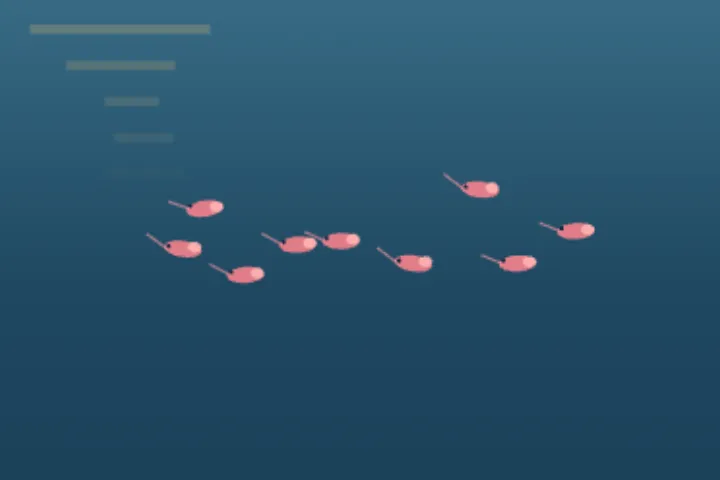
KrillNo. 39

Krill

First met
Level 10, Lost in Labrador
Filling
A nibble: eaten on the spot
Points
A third of a capelin's

Real fact

Krill are tiny shrimp-like animals that swarm in cold water. Whales eat them by the tonne.

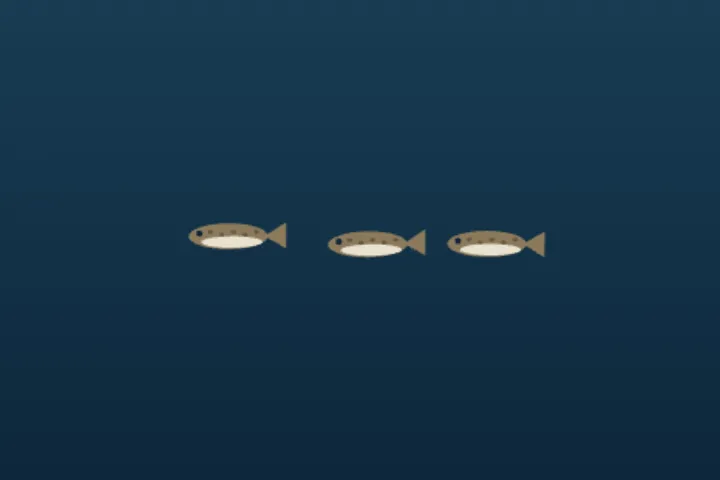
Arctic codNo. 40

Arctic cod

First met
Level 10, Lost in Labrador
Filling
A good meal: eaten on the spot
Points
Half again as many as a capelin

Real fact

Arctic cod live in icy water, even under the sea ice, with a kind of antifreeze in their blood.

Kind to real puffins

Atlantic puffins nest around Newfoundland from spring to late summer. If you visit a colony, keep back from the cliff edge and the burrows, and if you find a puffling in town in August or September, a cardboard box and a quiet walk to the shore is all it needs.

How to help pufflings (CPAWS Puffin and Petrel Patrol)

Play Beakful →

Pictures drawn by the game itself. Characters and story © Fun Puffin.